-
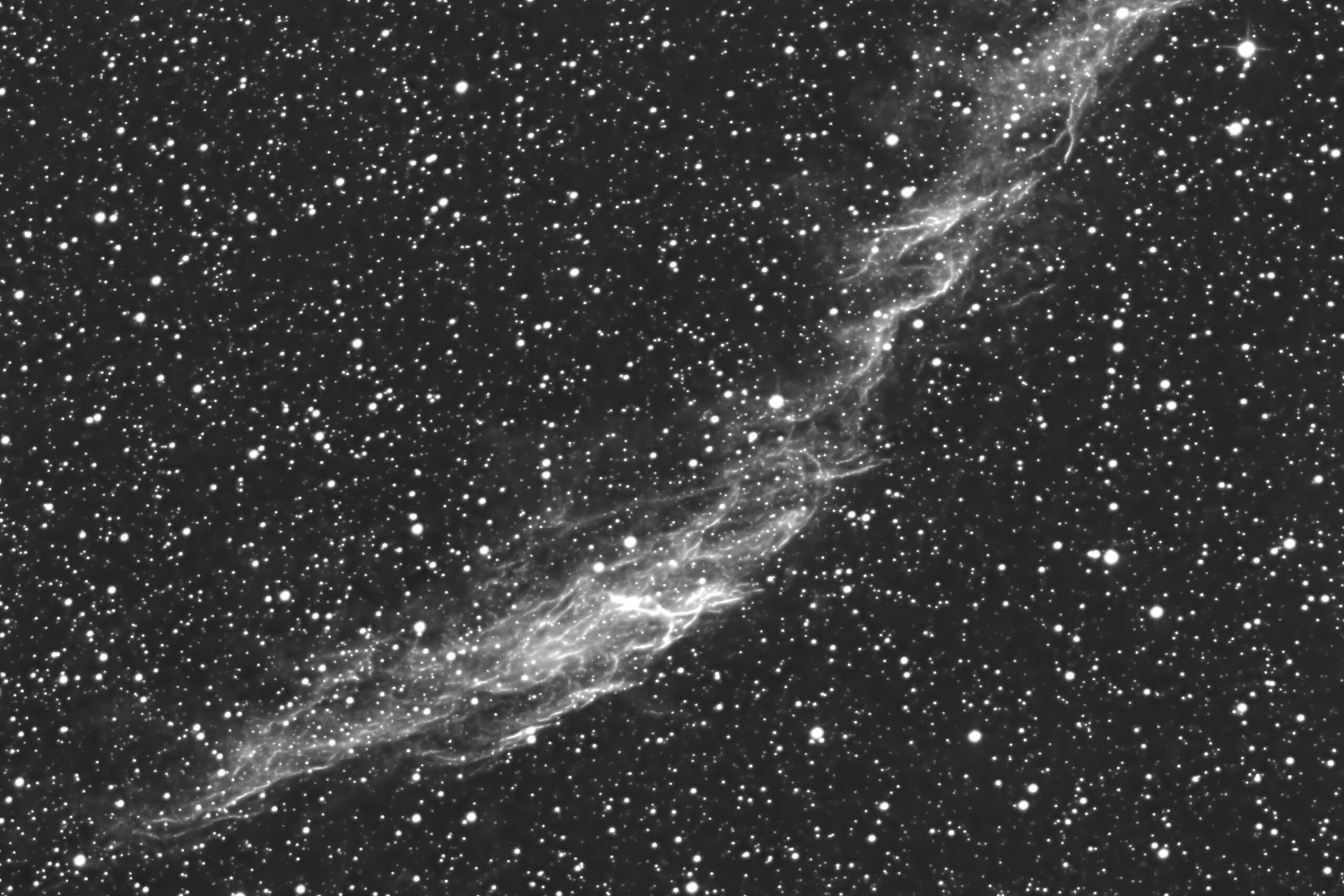
NGC 6992
Read more: NGC 6992NGC 6992 is one of the brightest portions of the Veil of Cygnus, a large supernova remnant located in the constellation Cygnus, an estimated 1,200–5,800 light-years from Earth.The explosion that generated it dates back approximately 10,000–20,000 years, and the interaction of the shock wave with the interstellar medium produced filaments of ionized gas.The photo was…
-
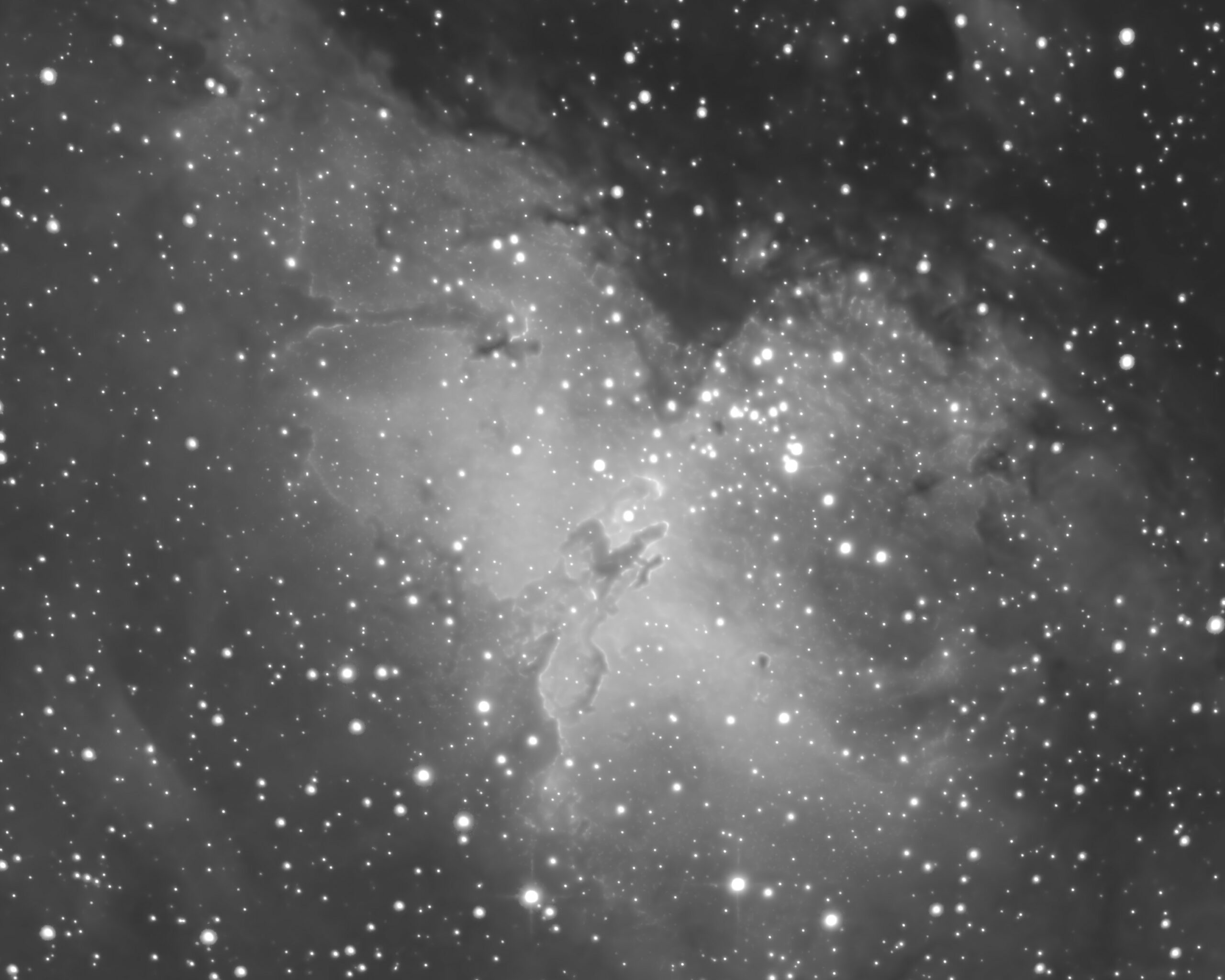
M 16
Read more: M 16The Eagle Nebula, catalogued as M 16 is an emission nebula in the constellation of Serpens and inside it, in addition to the star cluster NGC 6611, there is also one of the most famous astronomical images: the Pillars of Creation.
-
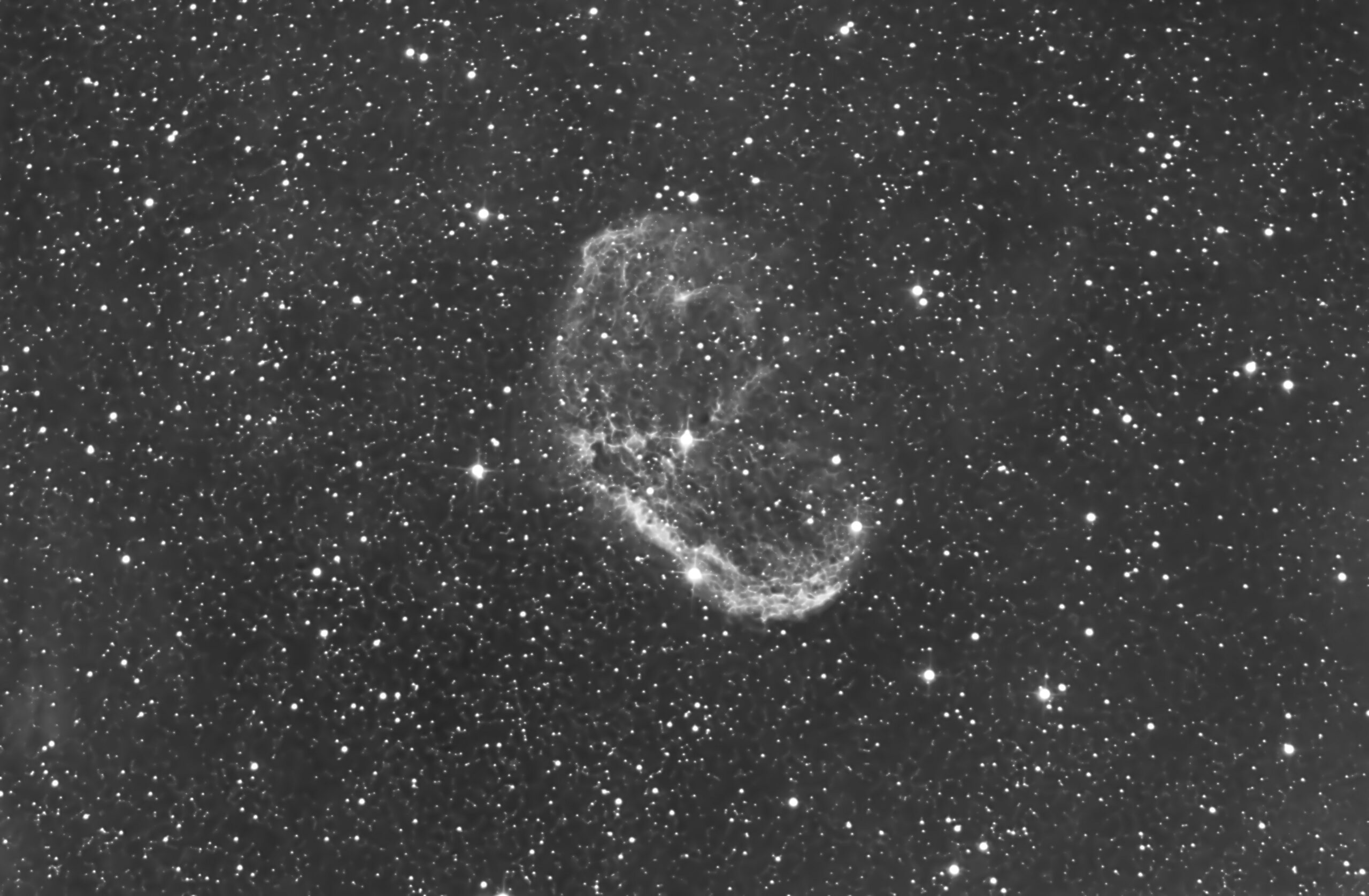
NGC 6888
Read more: NGC 6888NGC 6888, also known as the Crescent nebula, is an emission nebula in the constellation Cygnus, about 5000 light-years from Earth.It is formed by the stellar wind from the Wolf-Rayet star WR 136 (HD 192163), the brightest star at its center, colliding with the slower wind expelled by the star when it became a red…
-
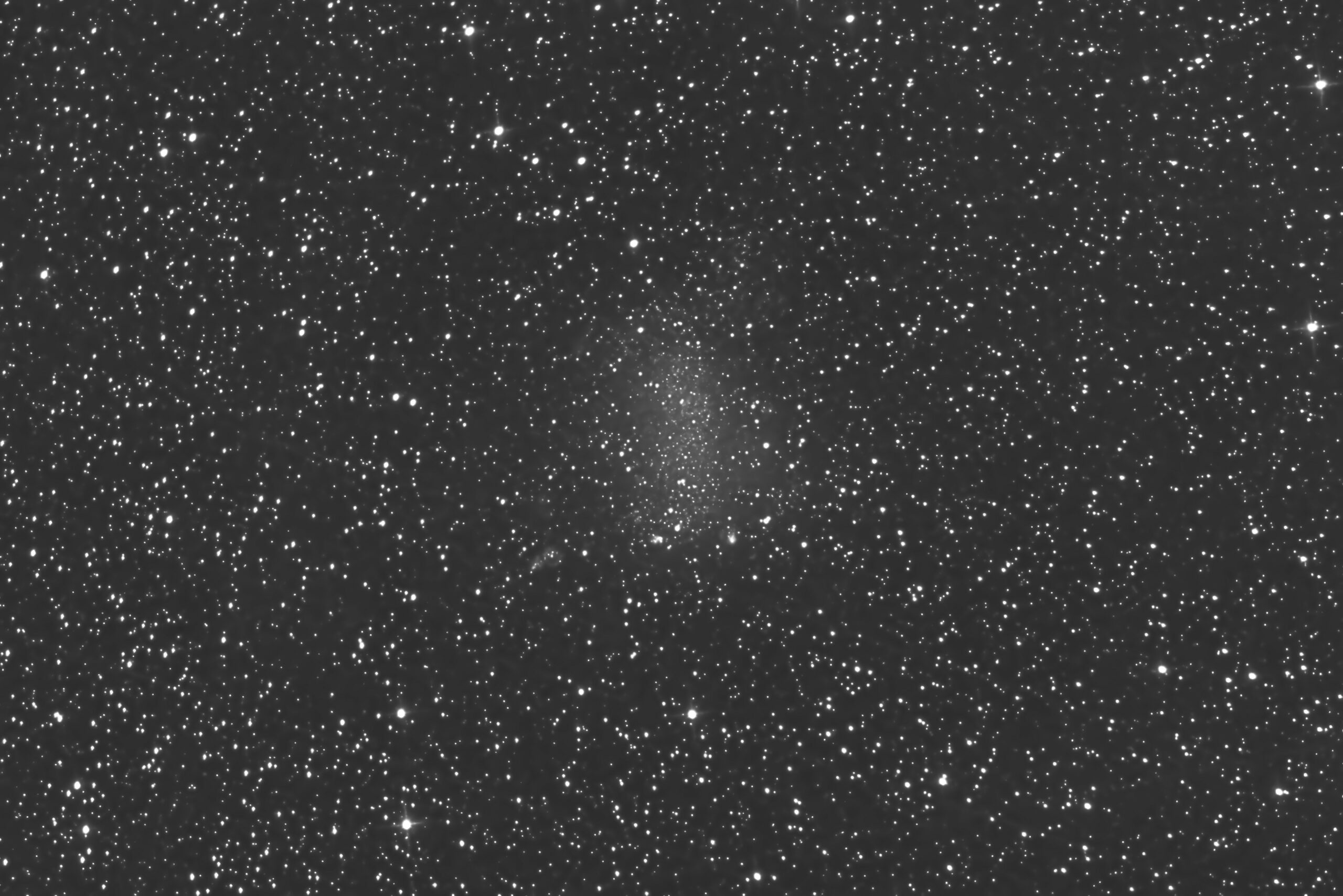
NGC 6822
Read more: NGC 6822NGC 6822, also known as Barnard’s Galaxy, is a barred irregular galaxy located in the constellation of Sagittarius, about 1.6 million light-years from Earth.It belongs to the Local Group and is one of the satellite galaxies of the Milky Way.
-
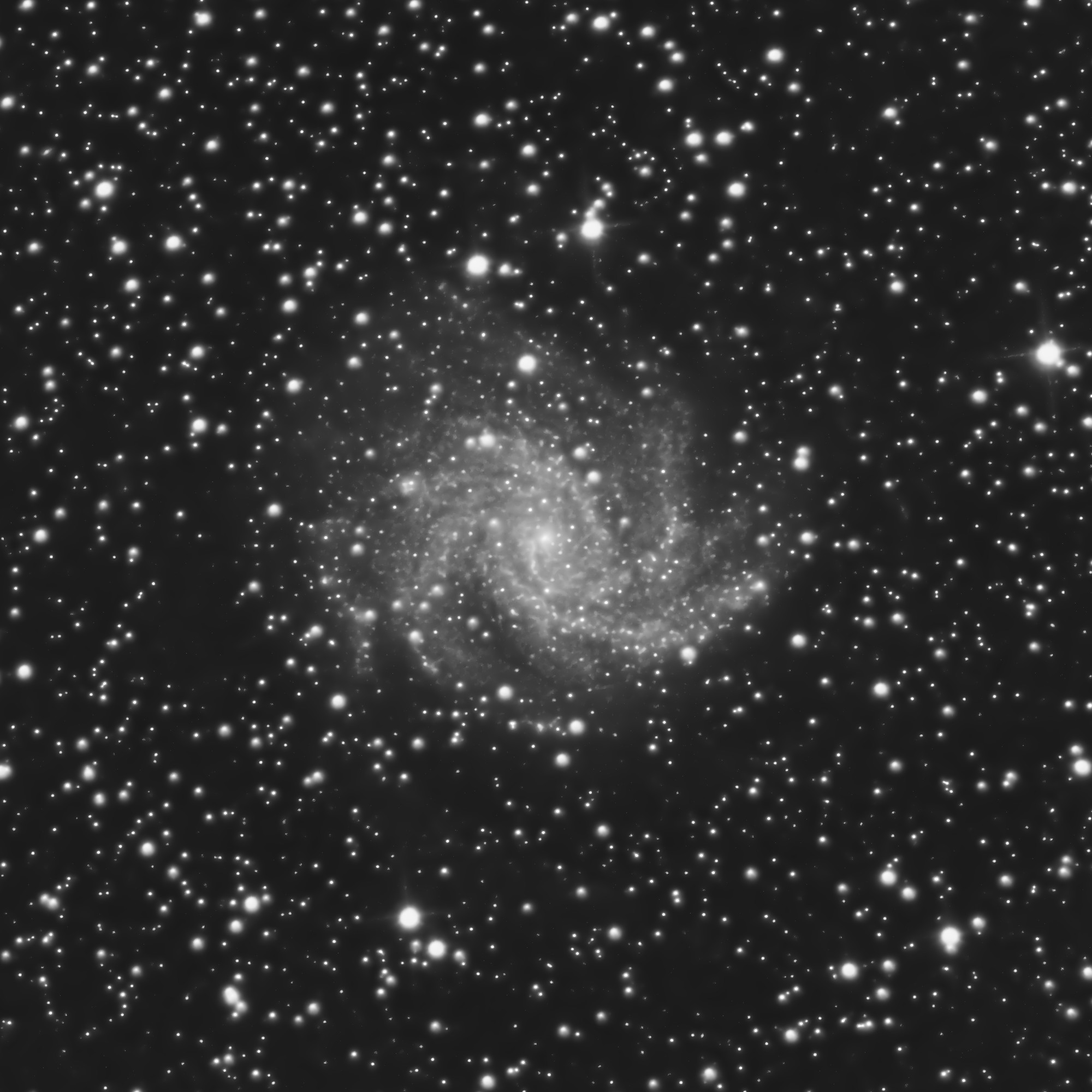
NGC 6946
Read more: NGC 6946NGC 6946 is an intermediate spiral galaxy located on the border between the constellations of Cepheus and Cygnus, about 22 million light-years from Earth.It is also known as the “Fireworks Galaxy” for the high frequency of supernovae.
-
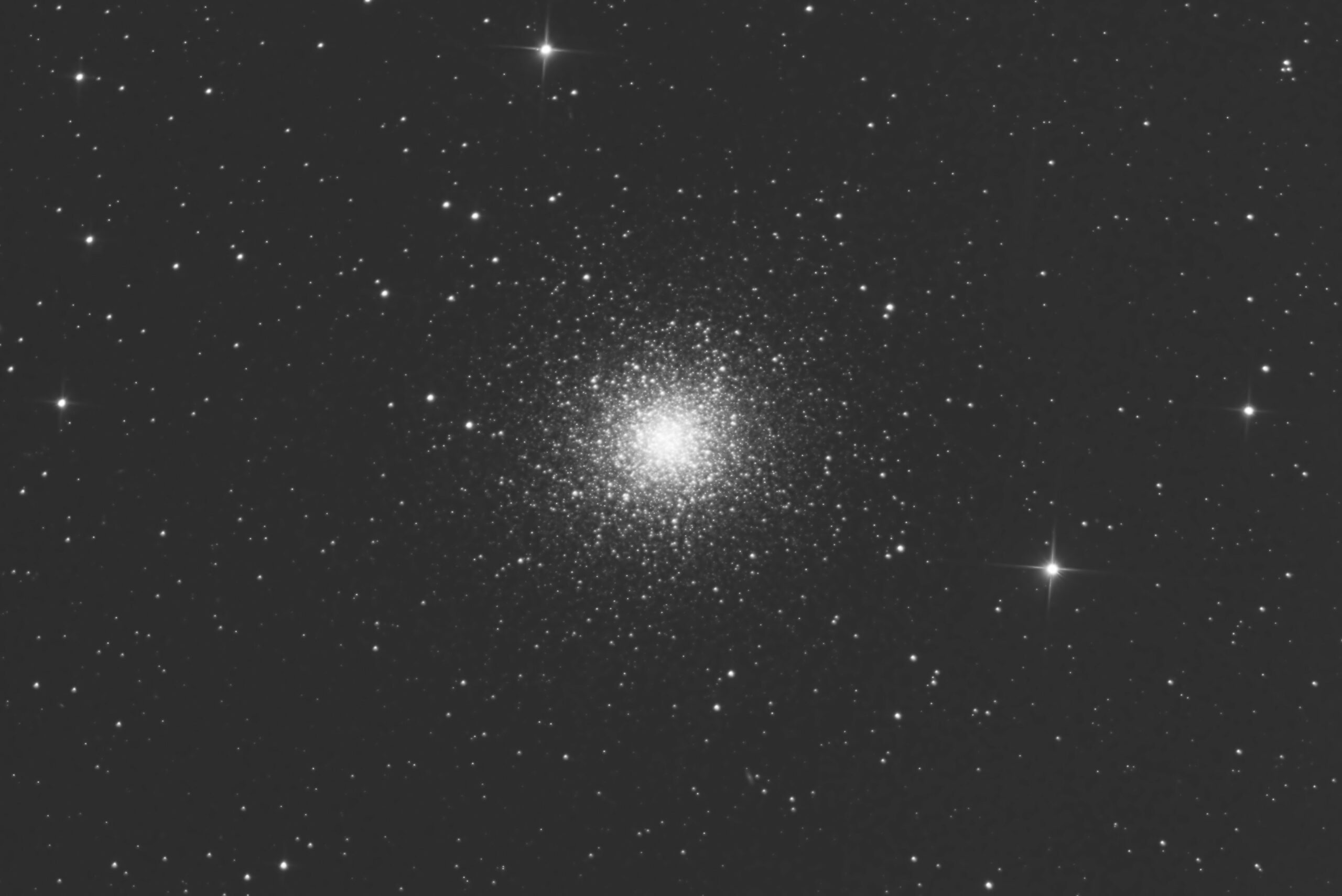
M 13 and M 10
Read more: M 13 and M 10The globular clusters M 13 in Hercules and M 10 in Ophiuchus are both just over 11 billion years old. M 13 is brighter and is particularly rich in stars, about 300,000, but M 10 is also easily observable even though it has only 100,000 stars being closer to Earth.
-
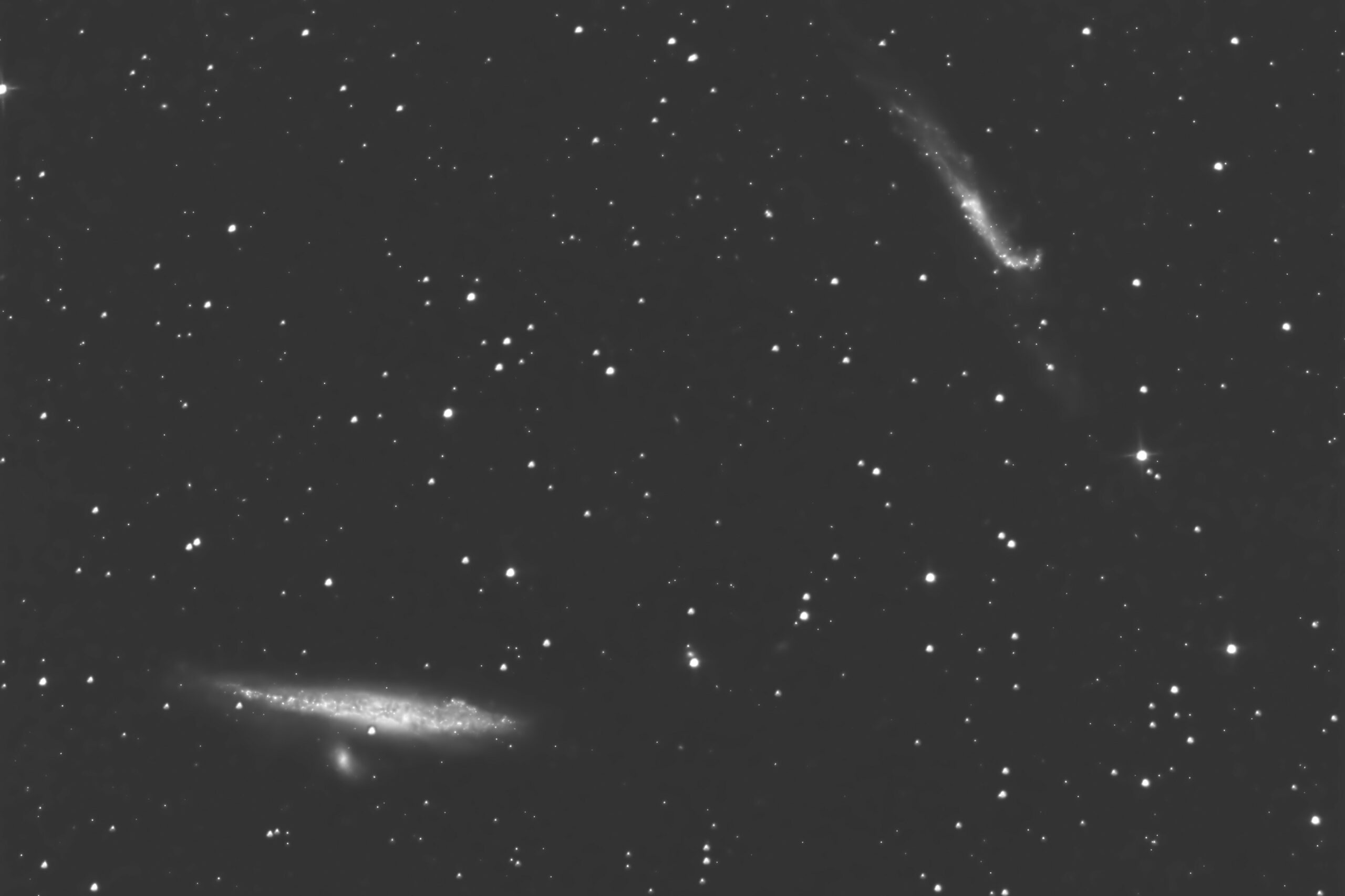
NGC 4631, NGC 4627, NGC 4656
Read more: NGC 4631, NGC 4627, NGC 4656In this photo there are three galaxies all interacting with each other.In the lower left you can see NGC 4631, also known as the Whale Galaxy; it is a barred spiral galaxy located in the constellation of Canes Venatici, about 25 million light years from Earth.It is observed edge-on and has a strongly distorted structure,…
-
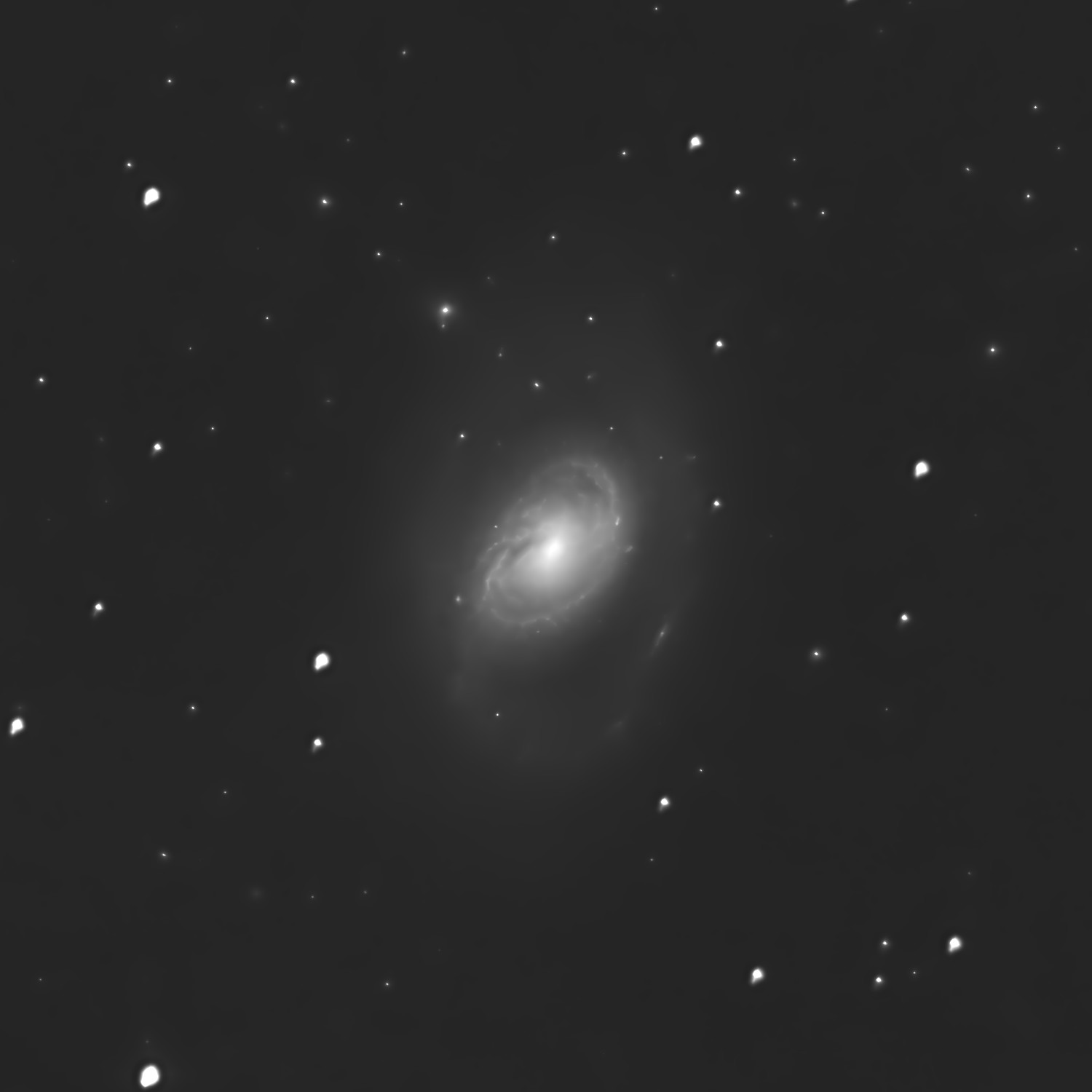
M 96
Read more: M 96M 96 or NGC 3368 is a spiral galaxy located in the constellation Leo, about 31 million light-years from Earth.It has an asymmetric shape with irregular arms.
-
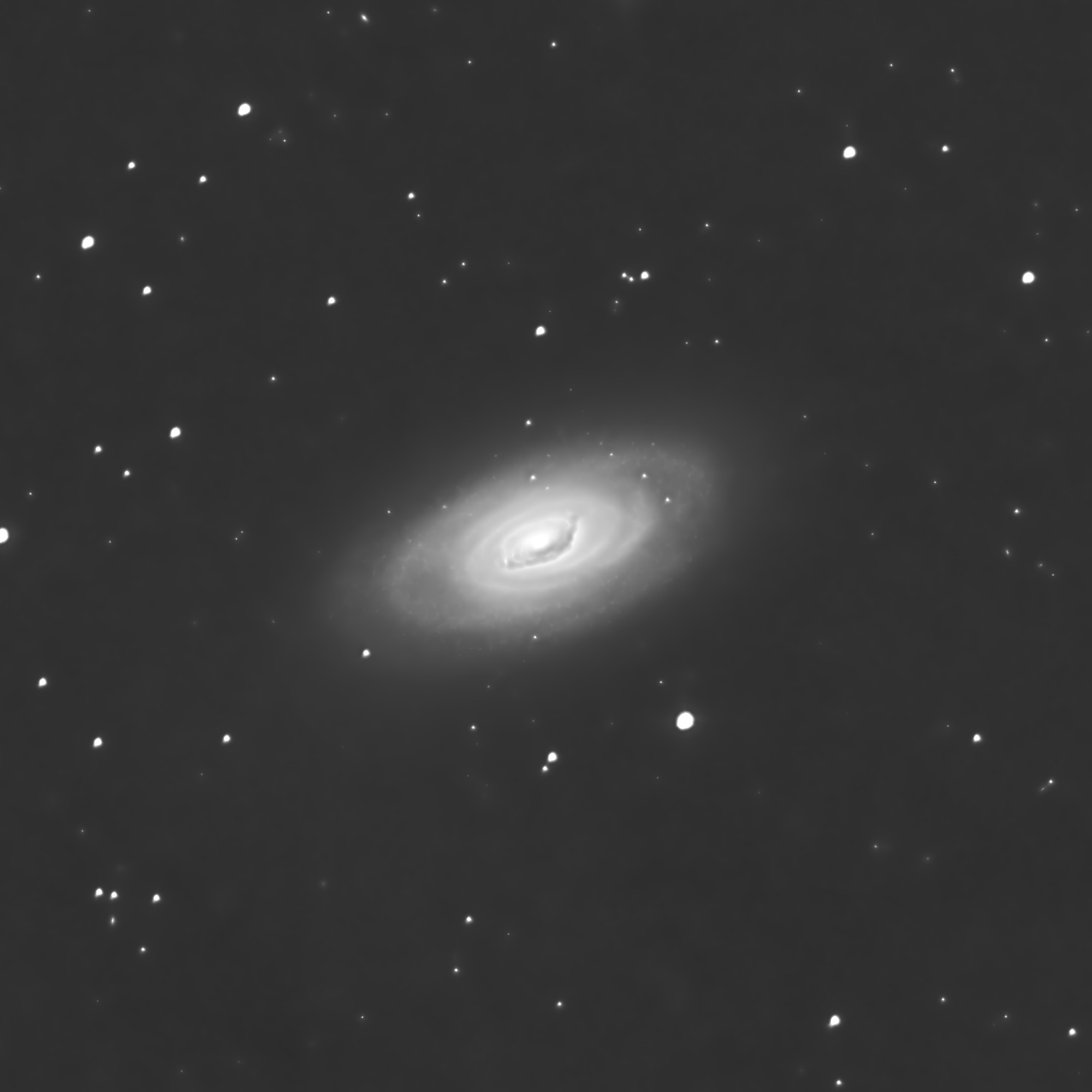
M 64
Read more: M 64Messier 64 or NGC 4826, known as the Black-Eye Galaxy, is a spiral galaxy located in the constellation Coma Berenice, about 17 million light-years from Earth.It has the peculiarity of having a band of dark dust that partially obscures its core.
-
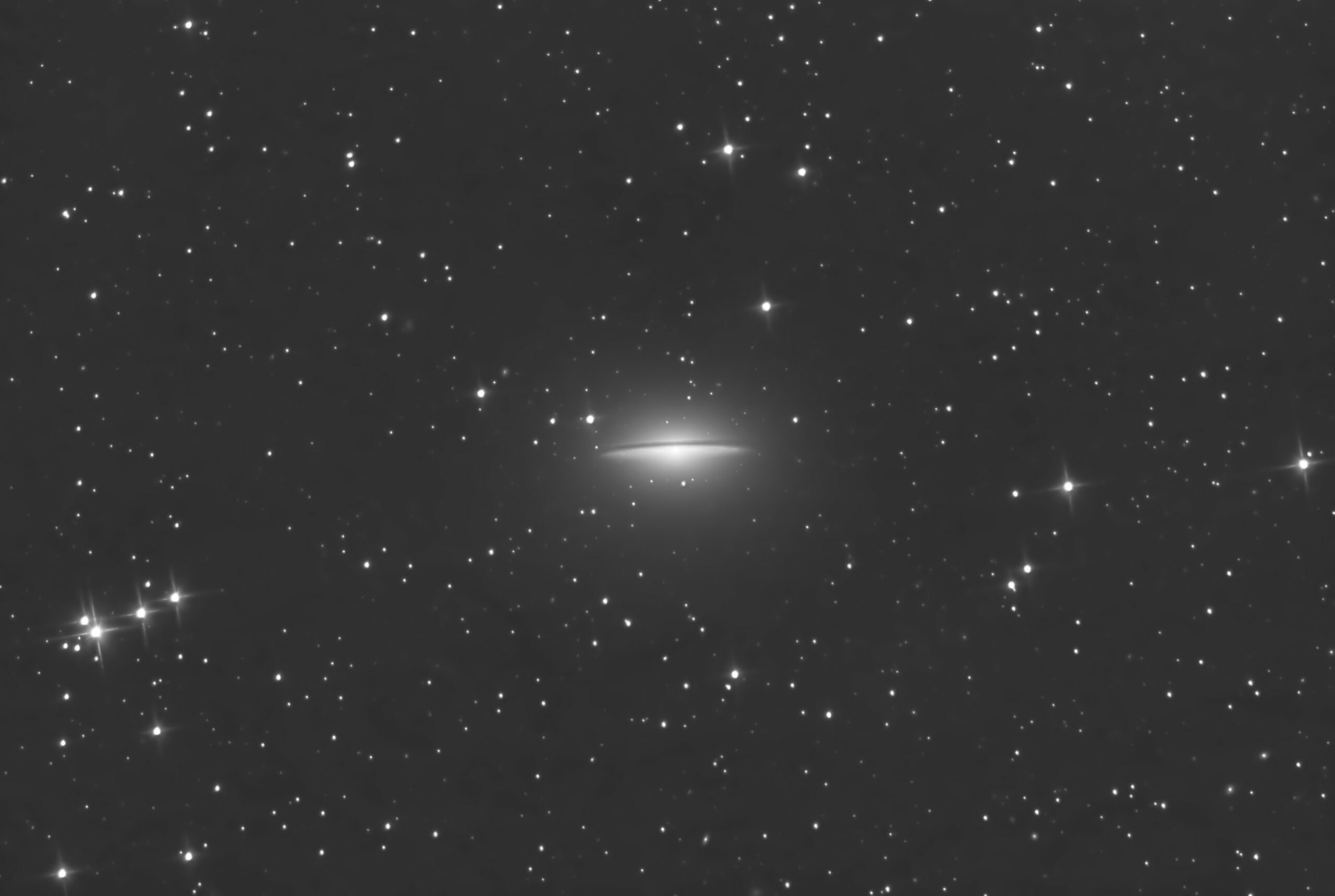
M 104
Read more: M 104The M104 galaxy, or NGC 4594, also known as the Sombrero Galaxy, is one of the most fascinating spiral galaxies in the Universe.Located in the Virgo constellation, about 28 million light-years from Earth, it stands out for its characteristic bright central bulge and a dark dust band surrounding it, giving it the appearance of a…